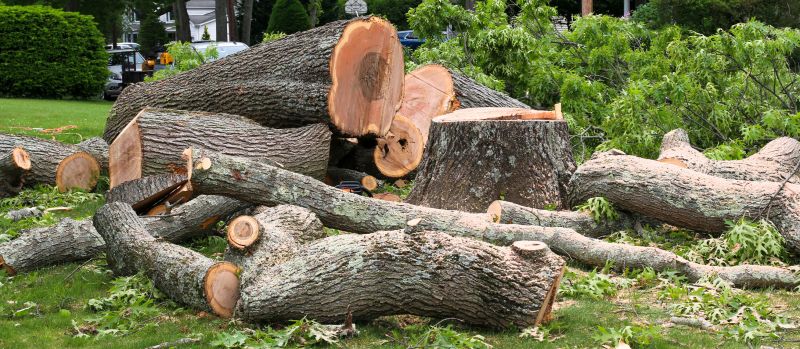
Elm Tree Removal in Doylestown, PA
Elm tree removal services involve the careful and efficient removal of mature or damaged elm trees from residential properties. These projects typically include assessing the tree’s condition, planning the safest approach for removal, and executing the work to prevent damage to surrounding structures, landscaping, or utility lines. Homeowners often request this service when a tree becomes a safety concern due to disease, decay, storm damage, or when it obstructs views or structures, making removal necessary for safety or aesthetic reasons.
Before requesting elm tree removal, property owners should consider factors such as the size and location of the tree, proximity to buildings or power lines, and any potential impact on the landscape. Understanding the extent of the work involved, including stump removal or grinding, can help in planning the project. It is also helpful to clarify any local regulations or permits that might be required for tree removal in the area.
Many property owners in Doylestown, PA look into Elm Tree Removal for repairs, replacements, upgrades, and appearance-related improvements.
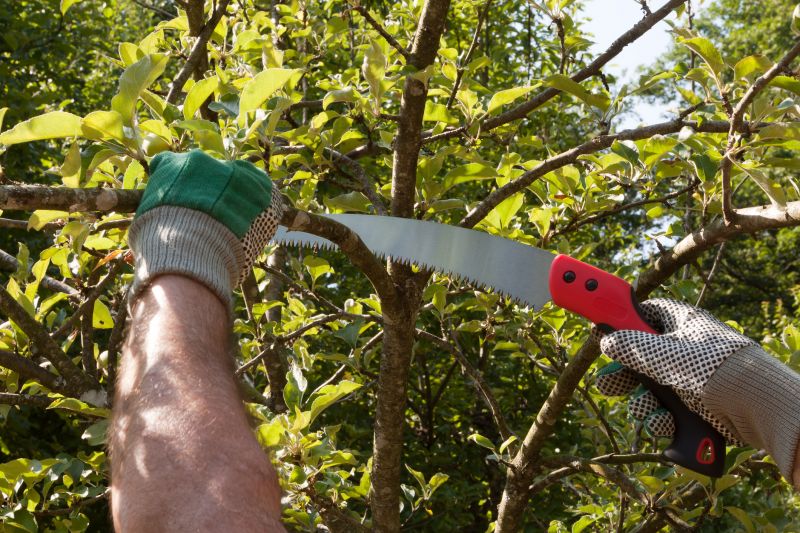
Reasons For Elm Tree Removal
Elm trees may need removal due to disease, damage, or safety concerns on residential properties.
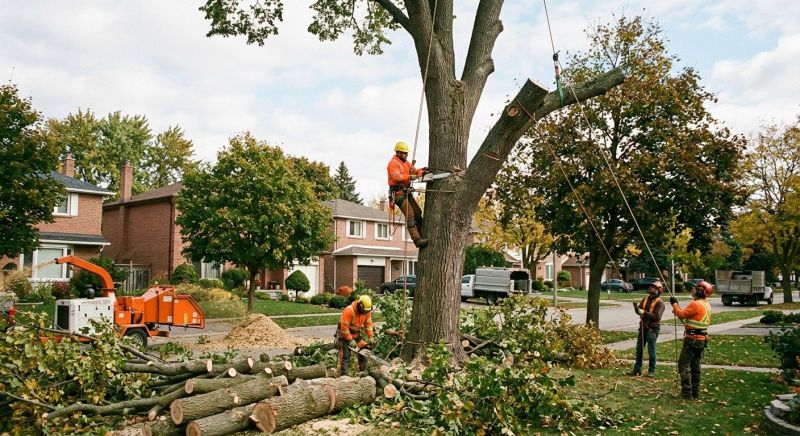
Benefits Of Elm Tree Removal
Removing unhealthy or hazardous elms can improve landscape safety and allow for new planting opportunities.
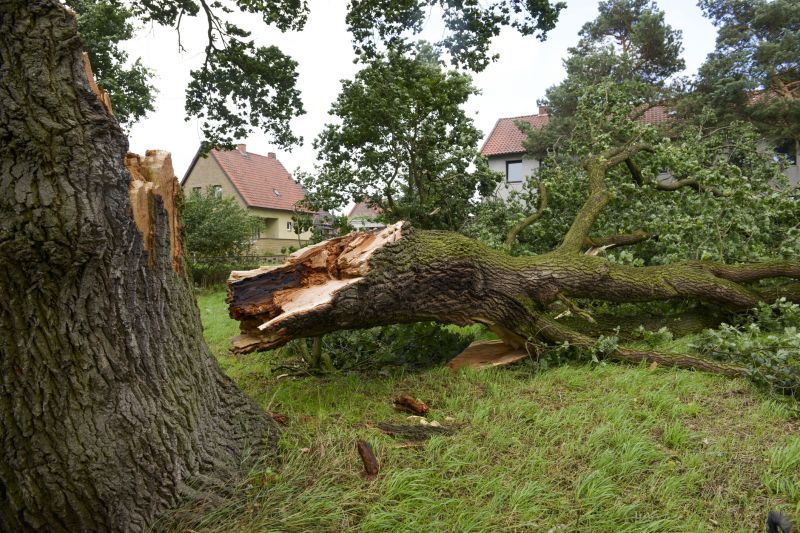
Considerations Before Removal
Proper planning ensures safe, efficient removal and helps maintain the health of surrounding trees and property features in doylestown, pa.
Elm Tree Removal in Doylestown, PA
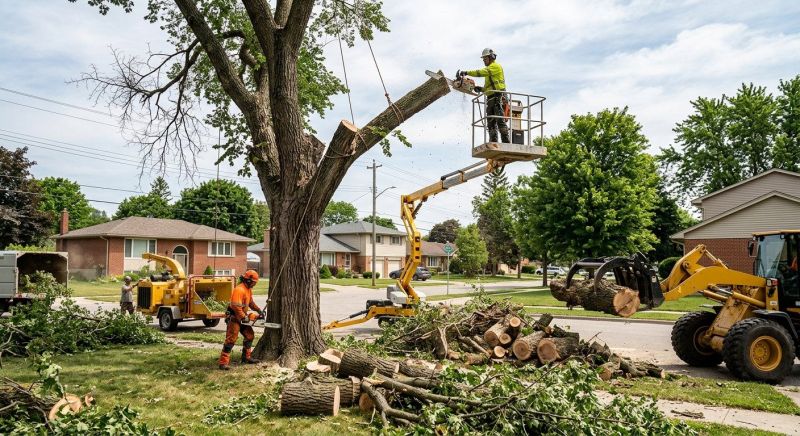
Elm tree removal services involve the careful and efficient removal of mature or damaged elm trees from residential properties. These projects typically include assessing the tree’s condition, planning the safest approach for removal, and executing the work to prevent damage to surrounding structures, landscaping, or utility lines. Homeowners often request this service when a tree becomes a safety concern due to disease, decay, storm damage, or when it obstructs views or structures, making removal necessary for safety or aesthetic reasons.
Before requesting elm tree removal, property owners should consider factors such as the size and location of the tree, proximity to buildings or power lines, and any potential impact on the landscape. Understanding the extent of the work involved, including stump removal or grinding, can help in planning the project. It is also helpful to clarify any local regulations or permits that might be required for tree removal in the area.
Many property owners in Doylestown, PA look into Elm Tree Removal for repairs, replacements, upgrades, and appearance-related improvements.
Common Elm Tree Removal Jobs
Tree removal - safely removing trees that pose a risk to property or safety.
Stump grinding - eliminating tree stumps to improve yard appearance and prevent pests.
Hazardous tree removal - removing damaged or diseased trees that threaten structures or power lines.
Selective tree removal - thinning trees to promote healthy growth and improve landscape aesthetics.
Emergency tree removal - responding to storm damage or urgent situations to clear hazards quickly.
Root removal - extracting invasive or problematic roots to protect foundations and underground utilities.
Elm Tree Removal Questions
Why remove an Elm Tree? Removing an Elm tree can prevent disease spread, reduce safety hazards, or make space for new landscaping projects.
When is the best time for Elm Tree removal? The optimal time is during dormancy, typically late fall or early spring, to minimize impact on the surrounding landscape.
What should property owners consider before Elm Tree removal? It's important to assess the tree's condition, proximity to structures, and local regulations regarding removal.
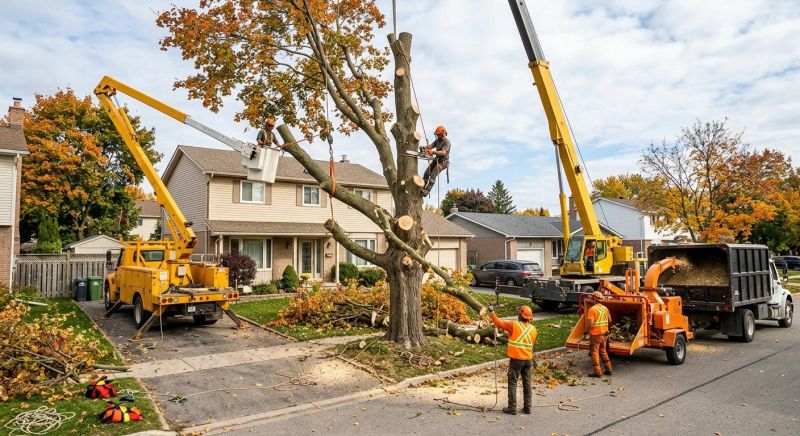
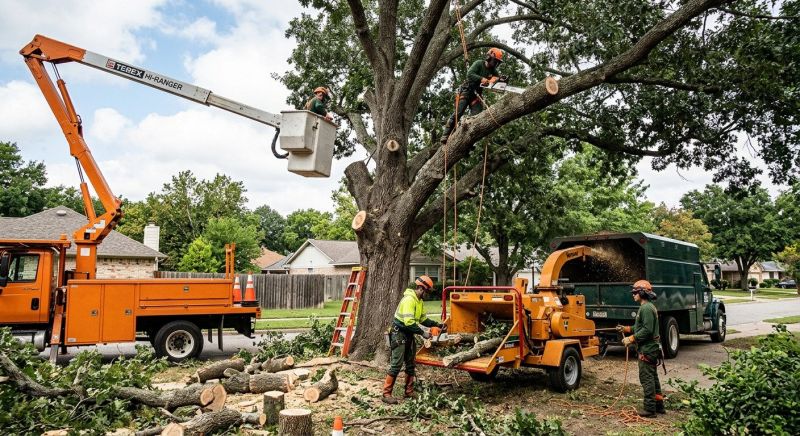
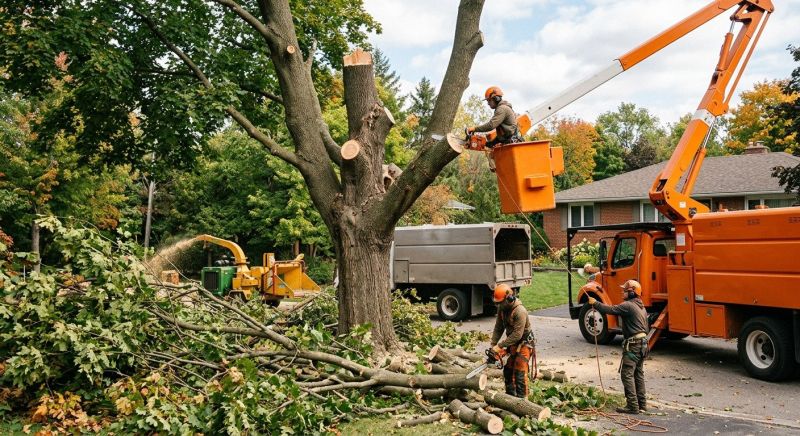
Does Elm Tree removal require special equipment? Yes, heavy-duty tools and machinery are typically used to safely and efficiently remove large trees and their stumps.
Request Elm Tree Removal in Doylestown, PA
Use the quote form on this page to share the basics of your project and request more information for the type of work you need.